|
 |
|
|
|||


|
 |
|

Oct. 19, 2026
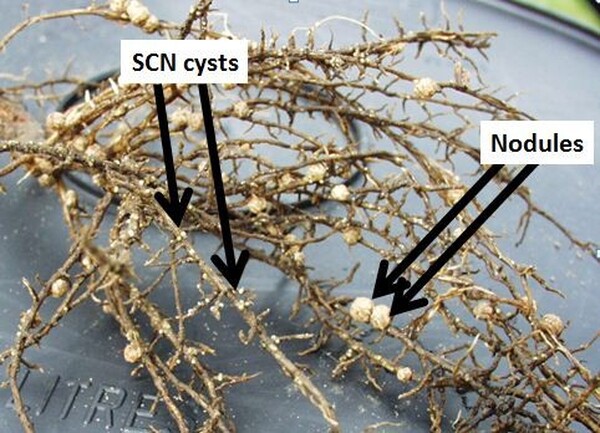
Source: Soybean Cyst Nematode Coalition news release WAUKESHA, Wis. -- Farmers seeing disappointing soybean yields despite healthy-looking fields now have a resource that helps them dig deeper into the root of the problem. The SCN Coalition's updated Soybean Cyst Nematode Management (SCN) Guide -- funded by the United Soybean Board -- breaks down the latest nematode research, soil testing guidelines, management tools, and recommendations from university and extension experts. Farmers and their crop consultants can use this new edition to expand their knowledge of SCN, strengthen their active management, and recover lost yield potential. Expanded options for SCN control Since SCN's discovery in North America in 1954, plant breeders have relied heavily on genetic resistance, particularly PI 88788, to stay one step ahead of the pest. However, decades of overreliance on PI 88788 reduced the tool's effectiveness. As a result, SCN remains the most economically damaging soybean pest in North America, causing annual losses of more than $1.5 billion.1 Thankfully, research on SCN's biology has made major strides since the last edition of the SCN Management Guide was published more than a decade ago. During that time, farmers' management options have expanded. The most effective way to manage SCN is to rotate sources of SCN resistance, namely PI 88788 and Peking resistance. But Peking offerings were initially limited. Over the past decade, the availability of Peking-resistant soybean varieties has increased dramatically, giving farmers the ability to rotate sources of SCN resistance. For example, of the more than 900 SCN-resistant varieties available to Iowa farmers in 2026, 196 carried Peking resistance. That represents a substantial increase in farmers' options compared to a decade ago and reflects continued efforts by soybean breeders and seed companies to expand the tools available for SCN management. "Looking to the future, research is driving the development of new seed-applied chemistries, biological products and next-generation genetic technologies to combat SCN," said Horacio Lopez-Nicora, soybean pathologist and nematologist at The Ohio State University. "These tools provide additional opportunities to diversify management programs, reduce SCN pressure and support the long-term effectiveness of resistant soybean cultivars." Moving from strategy to action Once SCN is established in a field, it cannot be eliminated, but it can be managed. An integrated management approach that utilizes several strategies is the most successful in reducing SCN's impact. The SCN Management Guide outlines farmers' options. Along with proven, research-backed strategies, the SCN Management Guide offers practical, diagnostic takeaways, including: •Photos of above- and belowground symptoms and scouting tips •Step-by-step soil testing instructions •Comprehensive lists of host crops and weeds •Emerging management technologies and cultural practices Using the guide, along with the SCN Profit Checker calculator that defines SCN's toll on farmers' fields, helps them better assess their risks and determine which SCN management strategies are best suited for their farm. Prepare for nematode challenges No matter how experienced farmers are at managing SCN, working with a trusted crop advisor or university expert can help fine-tune and strengthen their active SCN management strategy. Covering everything from scouting recommendations to how often to test soils for SCN, the SCN Management Guide can help farmers and crop consultants develop effective management strategies tailored to their fields. For an expanded look at SCN and other damaging soybean nematodes click here..
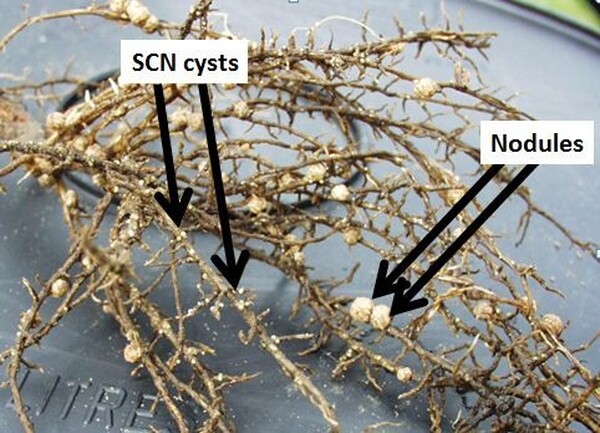
Source: Soybean Cyst Nematode Coalition news release WAUKESHA, Wis. -- Farmers seeing disappointing soybean yields despite healthy-looking fields now have a resource that helps them dig deeper into the root of the problem. The SCN Coalition's updated Soybean Cyst Nematode Management (SCN) Guide -- funded by the United Soybean Board -- breaks down the latest nematode research, soil testing guidelines, management tools, and recommendations from university and extension experts. Farmers and their crop consultants can use this new edition to expand their knowledge of SCN, strengthen their active management, and recover lost yield potential. Expanded options for SCN control Since SCN's discovery in North America in 1954, plant breeders have relied heavily on genetic resistance, particularly PI 88788, to stay one step ahead of the pest. However, decades of overreliance on PI 88788 reduced the tool's effectiveness. As a result, SCN remains the most economically damaging soybean pest in North America, causing annual losses of more than $1.5 billion.1 Thankfully, research on SCN's biology has made major strides since the last edition of the SCN Management Guide was published more than a decade ago. During that time, farmers' management options have expanded. The most effective way to manage SCN is to rotate sources of SCN resistance, namely PI 88788 and Peking resistance. But Peking offerings were initially limited. Over the past decade, the availability of Peking-resistant soybean varieties has increased dramatically, giving farmers the ability to rotate sources of SCN resistance. For example, of the more than 900 SCN-resistant varieties available to Iowa farmers in 2026, 196 carried Peking resistance. That represents a substantial increase in farmers' options compared to a decade ago and reflects continued efforts by soybean breeders and seed companies to expand the tools available for SCN management. "Looking to the future, research is driving the development of new seed-applied chemistries, biological products and next-generation genetic technologies to combat SCN," said Horacio Lopez-Nicora, soybean pathologist and nematologist at The Ohio State University. "These tools provide additional opportunities to diversify management programs, reduce SCN pressure and support the long-term effectiveness of resistant soybean cultivars." Moving from strategy to action Once SCN is established in a field, it cannot be eliminated, but it can be managed. An integrated management approach that utilizes several strategies is the most successful in reducing SCN's impact. The SCN Management Guide outlines farmers' options. Along with proven, research-backed strategies, the SCN Management Guide offers practical, diagnostic takeaways, including: •Photos of above- and belowground symptoms and scouting tips •Step-by-step soil testing instructions •Comprehensive lists of host crops and weeds •Emerging management technologies and cultural practices Using the guide, along with the SCN Profit Checker calculator that defines SCN's toll on farmers' fields, helps them better assess their risks and determine which SCN management strategies are best suited for their farm. Prepare for nematode challenges No matter how experienced farmers are at managing SCN, working with a trusted crop advisor or university expert can help fine-tune and strengthen their active SCN management strategy. Covering everything from scouting recommendations to how often to test soils for SCN, the SCN Management Guide can help farmers and crop consultants develop effective management strategies tailored to their fields. For an expanded look at SCN and other damaging soybean nematodes click here.. Tweet |
|
|
|
|
|
|
|
|
|||||||||||||